
Narrative
To understand a plant you must understand its landscape, the people who relied on it, and the ways in which it supported other life, community, and culture. My plant selections focus on species that were significant to multiple Plains tribes in North America as well as other regions, building up a story of erasure and displacement but also one of deep meaning and engagement with the lived landscape. The story of the Blackfoot tribe and their use of the plant, Ma's, stands out by revealing the deep intertwining of a plant with rituals and realities of life before colonial power made that lifestyle impossible.
I was first introduced to the plant by the name, Large Indian Breadroot, a common name that points to its relationship with Native Americans but reduces its taxonomy to a vague misnomer for Native American peoples without tribal or ecological specificity. The Blackfoot people have a long history of engagement with this plant, calling it Ma’s as a reference to its most crucial ecosystem service it provided them, an edible nutritious fibrous root. On the prairie, with its dry, open environment, this plant was more than a food source but key to their survival and part of a reciprocal relationship with the landscape through ceremonies.
Ma’s was part of the mythology that celebrated and revered this plant for its life sustaining properties. It was given as a gift to the Blackfoot from the woman of the sky, cast from heaven for its discovery. In fact, women’s importance in planting Ma’s and harvesting its roots, is specifically credited and commended through these stories and the rituals surrounding them. Their role was not just a job but a lifestyle and way of passing down generational knowledge including frameworks of care and sustainable harvesting methods. For instance the plant’s specific growth pattern requiring 2-4 years of growth before the tuber reached its full size and potential, was acknowledged and utilized by the seasonal rotation of harvests. In addition, Ma’s were replanted in the same holes and some plants were left behind to help with natural reseeding, which indicated when the time of planting should begin. The timing and patterns reveal the long term observation and care towards plant cycles and properties.
The tools used for harvest, carved digging sticks, were culturally significant items that became prized personal possessions which women personalized with carvings and decorations. Even the roots were used as ornamentation on robes or as headdresses for the Sun Dance ceremony, O’kan, where women played the religious leader, or medicine woman who is instructed by the Moon. These ceremonies celebrated a plant that was used for medicine and sustained populations through the winter by drying and preserving roots to be rehydrated and turned into flour. Its protein content even made it a more significant larger food source than meat.
However, this plant is disappearing along with its native habitat range. As prairies are destroyed and converted into farmland while the Blackfoot tribe like many others were forced off their native land and onto reservations where they could no longer access their traditional food sources. Now Ma’s is no longer a widespread plant on the expansive rolling prairie but has declined with undisturbed grasslands. Livestock grazing, farming practices, and suppression of controlled burns have prevented the plant from maturing and spreading.
Its story is still worthy of being told, because the prairie turnip is more than just pretty purple flowers.
Ma's

Prairie Turnip
Plant Identification
Indigenous Plant Name: Blackfoot - Ma’s
Language: Blackfoot
Region: Great Plains Meaning: Root (3)
Tribes it was significant to: Blackfoot, Pawnee, Cheyenne, Dakota, Winnebago
Colonial Taxonomy Analysis
Colonial Plant Botanical Name: Pediomelum esculentum
Colonial Plant Common Name: Large Indian Breadroot
Named By: Botanical - Per Axel Rydberg
Date: 1919
What It References: A revision of the previous botanical name based on morphological differences.
Implications of Colonial Name (power, gender norms, racial hierarchies, extraction): A colonial name given to an Indigenous plant of great ecological significance.
Erased knowledge systems: Blackfoot cultural importance and naming.
Colonial Violence and Naming
Racialized or Derogatory Language: n/a
Misogynistic or Gendered Framing: n/a
Enslavement, Colonial ownership, Exploitation: Colonial violence forced tribes off the land that produces this plant and sustains their way of life.
How and When did Name Enter Public Use: The common name entered use in the 1800s by settlers descriptions.
How Continued Use Perpetuates Harm: The most documented use and reliance on this plant is by the Blackfoot tribe whose name for the plant, Ma’s is culturally significant and demonstrates the deep connection between landscape and human life. Furthermore the term Indian, while being a reference to the cultural importance of this plant to tribes, is a long term misnomer from the age of exploration.
Ecological Profile
Native range and habitat: Across the plains and prairie.
Ecological roles such as pollination, soil health, fire ecology, or water systems: Being in the legume family it can fix nitrogen which is critical for soil health and replenishment of nutrients.
Seasonal behaviors and growth patterns: The edible tuber grows underground while the above ground plant flowers in the late spring (2). Its lifespan is short and grows each year or remains dormant during drought periods (3). Roots help stabilize prairie soils. Relationships with animals, insects, fungi, microbes, and other plants: It is well adapted to the prairie and tolerant of drought, hail, heat, and grazing making it a crucial species for animal and human nutrition (3)
Indigenous Knowledge and Cultural Relationships
Cultural Significance: In reference to its common name this plant is a huge staple food for Native Americans in the plains that holds strong symbolic and spiritual meaning and part of some rituals and ceremonies (2)
Spiritual or Cosmological Meaning: It is featured in the Blackfoot Sun Dance ritual where a bundle of culturally significant items that show the worth of the plant is exchanged (2). A Blackfoot legend also cites its orgin as a gift from a woman of the sky who was cast from heaven when she dug up the plant’s root (2). Women are centered in the ceremony where they play the main role of religious leader or medicine woman (3).
Traditional stewardship practices such as harvesting, burning, tending, or propagation: Native Americans colect the plant in the early summer months when it ripens (2). Native American women re-seeded the patches of Ma’s by refilling holes with seeds and soil and played a crucial role in the harvesting of the root, waiting until seeding to harvest so the same holes could be re-seeded (3). They used digging sticks made from green ash with sharpened tips that became important personal possessions (3).
Ethical frameworks of care, reciprocity, and responsibility: Women carried the workload of tending to the plants growth and passed down traditional methods of harvesting and digging holes for seeding to the next generations; such as returning to holes every 3-5 years for sustainable growth and harvesting (3) The small above ground portion of the plant will blow away once dormant so timing of harvest was essential (3).
Uses
Medicinal: The Blackfoot applied the chewed roots to sprains, used as ear medicine, and eye medicine (1). Dried roots were also used for many medicinal applications including helping colic in babies, treating sore throats, and gastroenteritis (1) The Cheyenne used it as an antidiarrheal plant (1).
Culinary or Nutritional: The roots form a large edible tuber that is consumed in many forms by various tribes for nutritional value being high in protein, starch and vitamin C (2). The Blackfoot and Dakota used dried roots in their winter food storage (1). Cheyenne used dried plant pieces as a thickening agent (1).
Material uses (fiber, dye, construction, tools): The Blackfoot also used the dried roots as decoration attached to robes for ornamentation and medicine (1). Bundles of the root are made into headdresses for the Sun Dance ceremony (2).
Non-human Uses (habitat, food source, or shelter): Purple flowers attract bees and butterflies
Arts and Crafts: Tribes often braided the roots during the drying process.
Architecture and Design: Use in gardens
Human and Non-Human Relationships
How humans, animals, plants, and landscapes interact through this species: This plant is most significant as a food source for plains tribes but further interacts with the landscape by fixing nitrogen and creating a sustainable system when treated with traditional ecological management that provides nutrition.
How the plant mediates multi-species relationships: Relationships with Native Americans is more than just their diet but part of women’s lifestyle and the tribal legends.
How colonial disruption altered or severed these relationships: Land loss and forced moving of tribe members onto reservations took away this food source because it did not grow near the mountains where the reservation was located but the prairies (3). Farming practices also threaten prairie landscapes and reduce the places where Ma’s still grows (3).
Sources
(1) Moerman, Daniel E. Native American Ethnobotany. Portland, Or., Timber Press, 1998.
(2) “American Indian Health - Health.” Aihd.ku.edu, aihd.ku.edu/foods/prairie_turnip.html.
(3) Naturalist Digging into the “Original Root” of Blackfeet Mythology

Ulidástĭ útana
Black Cohosh
Plant Identification
Indigenous Plant Name: Cherokee - ulidástĭ útana
Language: Cherokee
Region: Eastern half of North America Meaning: Cherokee - ‘it deceives, large’ (4)
Tribes it was significant to: Cherokee, Hopi, Algonquians, Iroquois
Colonial Taxonomy Analysis
Colonial Plant Botanical Name: Actaea racemosa
Colonial Plant Common Name: Black Cohosh
Named By: Unknown
Date: Emerged in new England in 18th or 19th century
What It References: ‘Black’ refers to its root or rhizome, ‘Cohosh’ is the Algonquin word for ‘rough’ (5).
Implications of Colonial Name (power, gender norms, racial hierarchies, extraction): This name pays homage to a Native American word decribing the roots of the plant but previous common names have reinforced negative terms towards Native Americans.
Erased knowledge systems: Europeans co-opted the plant for widespread use and circulation which led to the plant being classified on multiple endangered and threatened species lists due to lack of care and stewardship towards its propagation and harvesting methods.
Colonial Violence and Naming
Racialized or Derogatory Language: Previously known as ‘Squaw Root’ a derogatory racialized term towards Native Americans Mysogynistic or Gendered Framing: n/a
Enslavement, Colonial Ownership, Exploitation: Indigenous communities are discredited in the traditional methods of care and medicinal use of this plant. In addition the old common name carries a lot of harm in attempting to normalize a racial slur.
How and When did Name Enter Public Use: It has gone through a number of common names throughout the 18th and 19th centuries. Black cohosh was popularized in the mid 19th century. There was also much general confusion in labeling the genus which has been confused in scientific writings by previously being in the Cimicifuga genus and now classified in the Actaea genus. The genus Macrotrys was coined by C.S. Rafinesque in 1808 for the plant but was misspelled in Eatons popular Plant Manual as Macrotys which was also used as a common name (6).
How Continued Use Perpetuates Harm: Of all the common names this plant has had; Macrotrys, Black Snakeroot, Black Cohosh, and the harmful Squaw Root- Black Cohosh is the only one that acknowledges in part the major contribution of First Nations Tribes in developing this plants now primary uses in medicine.
Human and Non-Human Relationships
Native range and habitat: “Southern Ontario to Wisconsin and south to South Carolina, Georgia, Tennessee, Arkansas and Missouri” (2). Ecological roles such as pollination, soil health, fire ecology, or water systems: Their roots can help in stabilizing soil.
Seasonal behaviors and growth patterns: The seeds are dormant until they undergo a warmth and cooling and warming again cycle throughout germanation from 6 months to 2 years (7).
Relationships with animals, insects, fungi, microbes, and other plants: The plant produces an odor that attracts insects and pollinators and it is a main food source of Appalachian Azure butterfly catterpilars (2).
Indigenous Knowledge and Cultural Relationships
Cultural Significance: Used by Native Americans to treat female issues and rheumatism (2)
Spiritual or Cosmological Meaning: Very significant medicinal plant used by First Nation Tribes for throat, lungs, arthritis, bee stings, snake bites, skin issues, and more.
Traditional stewardship practices such as harvesting, burning, tending, or propagation: Root division methods allow the plant to continue its growth and appropriate seed collection should be done seasonally when seeds have mature (3).
Ethical frameworks of care, reciprocity, and responsibility: Now more than ever wild black cohosh populations must be monitored and carefully cultivated through stewardship because its medicinal properties led to a global market that is threatening the wild populations of this plant (2). The Cherokee practiced this sustainable harvesting leaving enough plants for continued growth and respecting nature’s cycles (3).
Uses
Medicinal: The Cherokee used it to “stimulate menstration” and for rheumatic pain by infusing with spirits (1). Early settlers used it as a treatment for small pox. Today it is used to treat menopause and its a standard phytomedicine in Europe (2)
Culinary or Nutritional: “Black cohosh was used by pounding the roots into a warm decoction along with Cacalia atriplicifolia, Ceanothus americana, and Polymnia uvedalia which was drunk for fevers.”(4).
Material uses (fiber, dye, construction, tools): n/a
Non-human Uses (habitat, food source, or shelter): Provided a shaded understory for insects.
Arts and Crafts: The Hopi would use the stems to make wicker plaques (1).
Architecture and Design: A vertical accent in landscape design
Ecological Profile
How humans, animals, plants, and landscapes interact through this species: As a wild plant that is highly desired, human interaction is becoming harmful to the existence of this plant and its importance to its landscape.
How the plant mediates multi-species relationships: Dense understory is habotat for insects while humans use this plant primarily for medicinal purposes.
How colonial disruption altered or severed these relationships: The plant became popularized as a supplement which opened a huge market for it that is now threatening the species through over harvesting and habitat destruction leaving it classified as endangered in Illinois and Massachusetts (2).
Sources
(1) Moerman, Daniel E. Native American Ethnobotany. Portland, Or., Timber Press, 1998.
(2) Medicinal Plant Fact Sheet: Cimicifuga Racemosa / Black Cohosh Common Name.
(3) WishGarden Herbalist. “An Appalachian Gem: Black Cohosh.” WishGarden Herbs, 29 Apr. 2024, www.wishgardenherbs.com/blogs/wishgarden/an-appalachian-gem-black-cohosh.
(4) Plants of the Cherokee Hannah Dinkins
5) Graedon, Joe. “Black Cohosh.” Https://Www.peoplespharmacy.com/, 2019, www.peoplespharmacy.com/articles/black-cohosh?
(6) “ABC Herbalgram Website.” Herbalgram.org, 2026, www.herbalgram.org/resources/herbalgram/issues/98/table-of-contents/hg98feat-blackcohosh/. Accessed 16 Feb. 2026.
(7) “Black Cohosh – Actaea Racemosa - United Plant Savers.” United Plant Savers, 28 Aug. 2019, unitedplantsavers.org/black-cohosh-actaea-racemosa/.

Ma's
Prairie Turnip

Plant Identification
Indigenous Plant Name: Lakota Name- čhaŋšíŋšiŋla (3), Ho-Chunk (Winnebago) Name- Chokanwa-hu or Chokahu; a Ho-Chunk plant (4), Lenape name: pkuwaku (5)
Language: Lakota, Ho-Chunk, Lenape respectivly
Region: Prairie and Plains Meaning: Ho-Chunk name: Shoko\wa” means gum (4)
Plains Tribes it was significant to: Pawnee, Santee Dakota, Omaha, Ponca, Winnebago
Native range and habitat: Eastern and central US and Ontario (6). Ecological roles such as pollination, soil health, fire ecology, or water systems: Primarily pollinated by long tongued bees which are most effective at pollination along with butterflies searchign for nectar (7). Adapted to fire regimes of the prairie with a quick recovery (7). Its deep taproot that it focuses its initial growth energy on intakes groundwater making the plant drought tolerant.
Seasonal behaviors and growth patterns: The plant invests a lot of energy in its root growth at the beginning of its life (5) which serves to stabilize the soil and help prevent erosion.Its first year of growth, it will produce a solitary leaf then proceed to flower multiple years later (5).
Relationships with animals, insects, fungi, microbes, and other plants: They provide a home for insects such as gall wasps which inject eggs to create galls in the plant’s many stems to plant their larvae who can feed off the plants tissue (6). With its tall stems it stands out in the prairie as a perching spot for birds, giving them a vantage point to look for an capture insects (5). It also has “specialist feeder” insect species that feed on various parts of the plant from the taproot (Prairie Cicada) to the flower stems and heads (Silphium Beetle larvae) (7).
Colonial Plant Botanical Name: Silphium laciniatum
Colonial Plant Common Name: Compass Plant
Named By: William Clark Kennerly (6)
Date: May 1843 (6)
What It References: The common name references leaf blades direction, pointing north and south (1). The botanical name comes from the Greek word silphium meaning “medicinal plant” (2).
Implications of Colonial Name (power, gender norms, racial hierarchies, extraction): Kennerly a nephew of explorer William Clark dubbed this plant the Compass Plant during his westward expedition, part of a movement of colonizers documenting the west for settlement at the expense of the Indigenous people already existing on that land. Kennerly writes after his Kansas departure describing the land as a ”flat, arid country with no verdure except the compass plant” (6) reenforcing the colonial narrative of the western lands as a blank slate to overtake rather than the home of many tribes who did impact and care for the ecology.
Erased knowledge systems: Colonial naming ignores the Indigenous versatality of the plant as a medicinal, ceremonial, and protective element in their cultures reducing it to an explore’s directionality tool.
Colonial Violence and Naming
Racialized or Derogatory Language: n/a
Mysogynistic or Gendered Framing: n/a
Enslavement, Colonial Ownership, Exploitation: With the compass plant as a guide, and its naming history centering settlers and explorersAmerica pushed its frontier west displacing many Native American tribes through exploitative land treaties and disruptive hunting and encroachment which permanently altered the presence of animals and plants that tribes relied on to support their populations.
How and When did Name Enter Public Use: Carl Linnaeus published Species Plantarum in 1753, an orgin point for botanical nomenclature which included Silphium lactinum which refered to the plants resinous properties and its lobed leaves borrowing from both Greek and Latin words.
How Continued Use Perpetuates Harm: Creates further distance between this plant and its practical and spiritual uses by Native American tribes while upholding colonial narratives of a virtually empty frontier.
Ecological Profile
Colonial Taxonomy Analysis
Indigenous Knowledge and Cultural Relationships
Cultural Significance: Part of children’s daily lives as chewing gum and part of tribe ceremonial burning that tied into its healing properties as well as a key structural support for the broader prairie landscape.
Spiritual or Cosmological Meaning: The 5 Plains tribes burned the root as a charm against lightning because believed that lightning struck where Silphium lacinatum grew (2)
Traditional stewardship practices such as harvesting, burning, tending, or propagation: Prairie burning regimes included this fire adapted plant.
Ethical frameworks of care, reciprocity, and responsibility: Indigenous people practiced cultural burns which helped sustain the prairie and its fire-adapted species.
Uses
Medicinal: Several tribes used the sap resin as chewing gum that cleaned their teeth.
Culinary or Nutritional: The Pawnees utilized the pounded root to make a tea for physical weakness (1).
Material uses (fiber, dye, construction, tools): Limited knowledge available
Non-human Uses (habitat, food source, or shelter): Grazed by livestock and bison. Tea from roots used by Santee Dakotas to get rid of worms in horses and by Poncas as a tonic for horses (1).
Arts and Crafts: Limited knowledge available
Architecture and Design: Part of a native prairie planting toolkit that is used in prairie restoration or in bioswales for its root structure. Part of the fire regiment that was significant in native American design and maintainance of the landscape.
Human and Non-Human Relationships
Human and Non-Human Relationships How humans, animals, plants, and landscapes interact through this species: Its medicinal properties were used by to cure humans and animals. How the plant mediates multi-species relationships: This plant is akin to an insect hotel- its stems can suppot 600 galls where insect larvae develop and feed (6) while beetles feed on stems and flowers, aphids are partial to the stem’s juices, and cicadas chomp on its taproot (7). All parts of this plant are beneficial for other species to live, perch, or dine. How colonial disruption altered or severed these relationships: Bison which grazed on its leaves were hunted to decimation of their populations.
Sources
(1) Plant Guide COMPASS PLANT Silphium Laciniatum L. Plant Symbol = SILA3.
(2) “Compassplant (Silphium Laciniatum) | Lake and Wetland Ecosystems.” Lakeandwetlandecosystems.com, 2026, lakeandwetlandecosystems.com/upland-plants/compassplant-silphium-laciniatum
(3) Black Elk, Linda. Culturally Important Plants of the Lakota Based on Interviews, Research, and a Comprehensive Review of Historical Documents. Principal Investigator.
(4) Indigenous Plants of Winnebago Reservation, Nebraska.
(5) Lenape Names for Flowers.
(6) “Silphium Laciniatum.” Scientificlib.com, 2018, www.scientificlib.com/en/Biology/Plants/Magnoliophyta/SilphiumLaciniatum01.html
{7) “Compass Plant (Silphium Laciniatum).” Illinoiswildflowers.info, 2026, www.illinoiswildflowers.info/prairie/plantx/compassx.htm

Ho-Chunk
Compass Plant
Umayime
Natal Lily
Plant Identification
Indigenous Plant Name: Zulu - Umayime
Language: Zulu
Region: South Africa Meaning: “Refers to the perceived action of the plant in ‘stopping or of making to stay’ both diseases and misfortune.”(5)
Colonial Taxonomy Analysis
Colonial Plant Botanical Name: Natal Lily
Colonial Plant Common Name: Clivia miniata
Named By: John Lindley Date: 1828 What It References: Lindley named it after Lady Charlotte Florentine Clive, Duchess of Northumberland who cultivated many plants that the Kew gardener James Bowie collected from the Eastern cape region were this plant originated (1). Implications of Colonial Name (power, gender norms, racial hierarchies, extraction): The plant’s naming attributes it to multiple English botanical collectors and cultivators who brought the plant back to Europe ignoring this plants role in its landscape. This led to the plant’s cultivation in Europe as an indoor potted plant (1). In the 1990s Clivia was also cultivated and hybridized in China, Korea, and Japan also a popular potted plant there (1). Erased knowledge systems: The plant was so popular that in Changchun in north-eastern China it is the city’s emblem (1). The plant’s popularity while not necessarily harmful, obscures its orgin story and Indigenous ecosystem roles
Colonial Violence and Naming
Racialized or Derogatory Language: Once common name for the plant is kaffir lily, an offensize derogatory slur for a Black person in Africa (6).
Mysogynistic or Gendered Framing: n/a
Enslavement, Colonial Ownership, Exploitation: European horticulturalists who went to South Africa to take species samples back to Europe began circulating this term in the plant’s names.
How and When did Name Enter Public Use: In the 19th and 20th centuries multiple plant species from Africa were given this as a prefix in their common names which were published by Europeans in boantical manuals and books.
How Continued Use Perpetuates Harm: The Republic of South Africa considers this hate speech and equates this name to the n-word in America. Its use in multiple plant species name perpetuates harm and racism toward African people.
Human and Non-Human Relationships
Native range and habitat: Eastern parts of South Africa in a diverse range of conditions from costal to subtropical forests (2).
Ecological roles such as pollination, soil health, fire ecology, or water systems: It is pollinated almost exclusively by butterflies due to their striking color and specific size and trumpet-like shape (2).
Seasonal behaviors and growth patterns: It has low seed production and long seed development (2). Relationships with animals, insects, fungi, microbes, and other plants: Clivia seeds are toxic for ingestion but research showed primates dispere the seeds through “non-ingestive spitting behaviour”. However this short distance dispersal restricts overall gene flow (2).
Indigenous Knowledge and Cultural Relationships
Cultural Significance: Its medicinal properties especially relating to child birth gave it importance amongst the Zulu people of South Africa. It was also used by them as a protective charm sprinkling the roots to ward off evil (5).
Spiritual or Cosmological Meaning: It is used to make intelezi for the Zulu which was used to protect families from evil spirits and witchcraft (3). There was also a superstition surrounding being struck by lightening so the plant was used for cleansing those who had almost been struck (3).
Traditional stewardship practices such as harvesting, burning, tending, or propagation: Planting in dappled shade is necessary and thorough watering is encouraged in the summertime. They are propagated by seed of removing suckers and sowed in deep trays where they take 4-6 weeks to germinate (4).
Ethical frameworks of care, reciprocity, and responsibility: It is overharvested for medicinal plant trade.
Uses
Medicinal: The plant contains lycorine, a toxic highly poisonous alkaloid that also displays antiviral and antitumor properties (3). It is also linked to inducing labor and reducing postnatal bleeding (3). The Zulu people use it for treating influenze, colds, fever, small pox and measles, pneumonia, and more (3).
Culinary or Nutritional: Leaves, roots, and swollen part of the stem were used to make herbal mixtures that treated stomach cramps and snakebites (3). Multiple herbal remedies and infusions are used at different stages of pregnancy for easy deliveries and recovery (3). Material uses (fiber, dye, construction, tools): Can extract color from flowers as dye. Non-human Uses (habitat, food source, or shelter): A source of nectar for butterflies.
Arts and Crafts: Used in South African artworks.
Architecture and Design: It is a very aesthetically pleasing staple plant for a garden.
Ecological Profile
How humans, animals, plants, and landscapes interact through this species: Since the plant was so successfully cultivated and adapted to indoor potting conditions due to its form and enjoyment of dappled shade it has seen many people and landscapes and been adopted symbolically by multiple cultures for its aesthetic beauty and color.
How the plant mediates multi-species relationships: Very attractive to many insects bringing many species near it.
How colonial disruption altered or severed these relationships: Widespread colonial dispersal of the plant separated it from its cultural and ecological roots removing the sence of place and traditional knowledge
Sources
(1) “A Brief History.” The Clivia Society, 19 July 2020, cliviasociety.com/clivia/history/a-brief-history/.
(2) Kiepiel, Ian. The Biology of Pollination and Seed Dispersal in Clivia (Amaryllidaceae). 2022.
(3) “Clivia Miniata (Lindl.) Regel.” IMITHI YESINTU, 8 Oct. 2022, imithiyesintu.co.za/clivia-miniata-umayime/.
(4) “Clivia Miniata | PlantZAfrica.” Sanbi.org, 2026, pza.sanbi.org/clivia-miniata.
(5) Abel, Connie, et al. Front Cover. Vol. 21, p. 125, cliviasociety.com/wp-content/uploads/2022/06/YB5.pdf
(6) Potentially Problematic Common Names in North American Public Gardens. 2021.

Plant Identification
Indigenous Plant Name: Iroquoian - onen’ta’ón:we, Anishinaabe - gaagaaimizh, baagoodag, mitg, gaagaagiwa/inzh (4)
Language: Kanien’kéha, Anishinaabemowin
Region: Northeastern and Appalachian regions of North America Meaning: Not enough information
Tribes it was significant to: Seneca, Micmac, Makah
Colonial Taxonomy Analysis
Colonial Plant Botanical Name: Tsuga canadensis
Colonial Plant Common Name: Eastern Hemlock
Named By: Common - Unknown, Botanical - Élie-Abel Carrière reclassified it as Tsuga after Carl Linnaeus included it with Pinus species
Date: Common - 17th Century, Botanical - 1855 Reclassification
What It References: The tree’s crushed foliage smelled like the poisonous hemlock plant which colonists named it after (5) . Implications of Colonial Name (power, gender norms, racial hierarchies, extraction): The name produces confusion because this tree is not poisonous and is now rooted in colonist’s mistake instead of relating to the plants actual anatomy or ecological behaviors. Erased knowledge systems: Indigenous names are erased and the naming mistake now sticks with this plant.
Racialized or Derogatory Language: n/a
Mysogynistic or Gendered Framing: n/a
Enslavement, Colonial ownership, Exploitation: The plant was exploited by leather tanneries but mostly faces decline via the displaced insect species Adelgid.
How and When did Name Enter Public Use: The common name was popularized around the 17th century.
How Continued Use Perpetuates Harm: It contributes to a widespread naming problem when colonists overlook Indigenous knowledge systems and instead relied on European botanical knowledge which led them to associate it with poisonous hemlock.
Human and Non-Human Relationships
Native range and habitat: Eastern North America on rocky ridges, valley, hillsides along with low rolling hills in northern forests (1). Ecological roles such as pollination, soil health, fire ecology, or water systems: When growing along streams it “modifies abiotic conditions in these aquatic ecosystems by maintaining cooler water temperatures” (6). Trout rely on this and hemlock decline creates variable temperatures and excess woody biomass inputs in streams (6).
Seasonal behaviors and growth patterns: A very shade tolerant tree that can have up to a 900 year lifespan but is slow growign taking up to 300 years to fully mature (1). Relationships with animals, insects, fungi, microbes, and other plants: Birds enjoy the oil-rich seeds in their cones (2). Its dead wood hosts reishi mushrooms which have important medicinal. applications (2)
Indigenous Knowledge and Cultural Relationships
Cultural Significance: The Seneca and Micmac tribes each have stories in their cultures about this tree and how it lent heat through tea from the leaves and burning the bark respectively (2).
Spiritual or Cosmological Meaning: In a Makah legend the branches were used for ceremonial clothing and the construction of sweat lodges (2).
Traditional stewardship practices such as harvesting, burning, tending, or propagation: bark, needles, and wood were selected carefully to not harm the tree while commercial industries clear cut and harm native populations.
Ethical frameworks of care, reciprocity, and responsibility: Many Native American legends named and revered this tree giving it cultural importance and indicating a deeper care and respect for its uses and properties.
Uses
Colonial Violence and Naming
Ecological Profile
How humans, animals, plants, and landscapes interact through this species: It likes to grow with other species like white pine, red oak, sugar maple, white ash, etc (1).
How the plant mediates multi-species relationships: It provides habitat when alive and in its dead wood. It grows in kinship with other forest trees and due to its slow growth habits can be an understory species or grow to dominate the forest.
How colonial disruption altered or severed these relationships: The Hemlock Wooly Adelgid, an insect native to Asia was brought over on ornamental trees and while it doesn’t do damage in its native range, North American hemlocks aren’t resistent and it has decimated the tree’s population in certain regions (2).
Sources
(1) EASTERN HEMLOCK Tsuga Canadensis (L.) Carr. Plant Symbol = TSCA.
(2) O’Driscoll, Dana. “Sacred Tree Profile: Eastern Hemlock (Tsuga Canadensis) – Magic, Mythology, and Qualities - the Druids Garden.” The Druids Garden - Spiritual Journeys in Tending the Living Earth, Permaculture, and Nature-Inspired Arts, 2 Jan. 2014, thedruidsgarden.com/2014/01/02/sacred-tree-profile-eastern-hemlock-tsuga-canadensis-magic-mythology-and-qualities/.
(3) Wood, Matthew. The Earthwise Herbal, Volume II. North Atlantic Books, 5 July 2011.
(4) “Eastern Hemlock | Greenbelt Indigenous Botanical Survey.” Gibsurvey.ca, 2020, gibsurvey.ca/species/eastern-hemlock.
(5) Donald Culross Peattie, and Paul Landacre. A Natural History of North American Trees. Boston, Houghton Mifflin, 2007.
(6) Ellison, Aaron & Orwig, David & Fitzpatrick, Matthew & Preisser, Evan. (2018). The Past, Present, and Future of the Hemlock Woolly Adelgid (Adelges tsugae) and Its Ecological Interactions with Eastern Hemlock (Tsuga canadensis) Forests. Insects. 9. 172. 10.3390/insects9040172.
Medicinal: It is a Native American warming remedy in the form of a tea (3) In the 19th century hemlock oil was used for its warmth that would strengthen the kidneys and ligaments (3).
Culinary or Nutritional: Native Americans used its cambium to make breads and soups as well as in pemmican made with animal fat and fruits (1) The leaves are also used to make tea with a good vitamin C content (1).
Material uses (fiber, dye, construction, tools): The bark is a source of tannin for the leather industry (1). The inner bark can produce a pink dye when boiled (2)
. Non-human Uses (habitat, food source, or shelter): White tailed deer use it for habitat along with turkey, grouse, and other wildlife (1). The flexible branches catch and hold snow, creating a nice shelter below (2).
Arts and Crafts: The small cones, both male and female on the same tree, are used for arts and crafts (2).
Architecture and Design: The wood is used for light framing, roofing, crates, and pulping (1) This plant can be shaped into a hedge and planted as a screen or a specimen planting. (1)
Onen’ta’ón:w
Eastern Hemlock
Ma's
Prairie Turnip
Plant Identification
Indigenous Plant Name: Arabic - Damm Al-Akhwayn, Socotry - emzoloh
Language: Arabic Region: Indian Ocean island of Socotra, now part of Yemen (1)
Meaning: Arabic - Blood of Two Brothers
Cultural Significance: In India Dragon’s Blood was used for ceremonies (1).
Spiritual or Cosmological Meaning: Multiple legends contribute to the name for the resin, Dragon’s Blood including Greek myth of a four-headed dragon whose flood flowed up from the trees when he was slain and an Indian legend based on the figures of Brahma and Shiva; a struggle between a dragon and an elephant whose blood mixed into the resinous substance (1).
Traditional stewardship practices such as harvesting, burning, tending, or propagation: Specialized methods for tapping and extracting resin.
Ethical frameworks of care, reciprocity, and responsibility: The tree’s resin is often harvested unsustainably because of its high market demand as a medicine and a dye. This excesive tapping of the tree weakens it especially if repeated (4).
Colonial Plant Botanical Name: Dracaena cinnabari
Colonial Plant Common Name: Dragon Blood Tree
Named By: Scottish botanist Sir lsaac Bailey Balfour Date: 1880
What It References: Dracaena references the Greek word ‘drakainia’ meaning a female dragon
Implications of Colonial Name (power, gender norms, racial hierarchies, extraction): The common name Dragon’s Blood is based on mythology and shares a meaning with Indigenous names. Erased knowledge systems: n/a
Colonial Violence and Naming
Racialized or Derogatory Language: n/a
Mysogynistic or Gendered Framing: n/a
Enslavement, Colonial Ownership, Exploitation: The tree has been over harvested to an unsustainable amount where specimens are weakened and sometimes cannot recover (4).
How and When did Name Enter Public Use: During Sir lsaac Bailey Balfour’s visit to Socotra in 1880 (1).
How Continued Use Perpetuates Harm: n/a
Human and Non-Human Relationships
Native range and habitat: Florida south and throughout southwest to Texas and east to North Carolina (3).
Ecological roles such as pollination, soil health, fire ecology, or water systems: Important pollinator plant due to its white flowers (7).
Seasonal behaviors and growth patterns: Yaupon flowers emerge around April - May, and the fruit ripens in September - October (4). Relationships with animals, insects, fungi, microbes, and other plants: Its fruits and flowers are attractive to wildlife like birds and pollinators. (3). Native insects have evoloved with the plants which they feed on for protein (7).
Indigenous Knowledge and Cultural Relationships
Colonial Taxonomy Analysis

(1) Gupta, Deepika, et al. “Dragon’s Blood: Botany, Chemistry and Therapeutic Uses.” Journal of Ethnopharmacology, vol. 115, no. 3, Feb. 2008, pp. 361–380, www.smgrowers.com/info/DragonsBlood_Tree_BotanyEtc.pdf, https://doi.org/10.1016/j.jep.2007.10.018.
(2) Rejžek, Martin, et al. “Loss of a Single Tree Species Will Lead to an Overall Decline in Plant Diversity: Effect of Dracaena Cinnabari Balf. F. On the Vegetation of Socotra Island.” Biological Conservation, vol. 196, Apr. 2016, pp. 165–172, https://doi.org/10.1016/j.biocon.2016.02.016.
(3) Hubálková, Irena, et al. “Growth Dynamics of Dracaena Cinnabari under Controlled Conditions as the Most Effective Way to Protect Endangered Species.” Saudi Journal of Biological Sciences, vol. 24, no. 7, Nov. 2017, pp. 1445–1452, www.sciencedirect.com/science/article/pii/S1319562X15002065, https://doi.org/10.1016/j.sjbs.2015.09.011. (4) Mahmud, Md.Nahid. (2024). Dragons Blood Tree (Dracaena cinnabari). 10.5281/zenodo.13985957.
Ecological Profile
How humans, animals, plants, and landscapes interact through this species: While seeds are spread by birds and livestock feed on its fruits, flowers, and leaves; humans harvest the tree’s resin for its medicinal properties.
How the plant mediates multi-species relationships: This plant creates the conditions to support a diverse understory with shade, nutrients, and water (2).
How colonial disruption altered or severed these relationships: The cinnabari species was listed as vulnerable in the IUCN red list of threatened species due to trade and over exploitation (1). Over grazing caused less natural regeneration of Dracaena seedlings (3).
Sources
Uses
Medicinal: Used by early Greeks, Romans, and Arabs as medicine. Moomy inhabitants on Socotra island considered it a cure-all for wounds, fevers, dysentery, ulcers, stomach viruses, and skin disorders (1). Yemeni folk medicine engages with the resin as a muscle relaxant (1). Reports also indicate the antimicrobial activity of chloroform and methanol extract in the resin and its anticarcinogenic properties (1).
Culinary or Nutritional: n/a
Material uses (fiber, dye, construction, tools): The red resin from the tree called Dragon’s Blood was used as a dye in the Mediteranean Basin to color varnishes, toothpaste, plaster, and more (1) In Socotra resin was used to dye wool, glue, pottery, houses, and could be used as lipstick (1). The wood is also used for fuel (3).
Non-human Uses (habitat, food source, or shelter): Birds eat the berries and livestock graze on the foliage.
Arts and Crafts: The resin can be used in jewelry making and the tree itself is a symbol that is often used by local artisans (4)
Architecture and Design: A very distinctive ornamental tree often in botanical gardens (4)
Damm Al-Akhwayn
Dragon Blood Tree
Plant Identification
Indigenous Plant Name: Karuk - Púrith, Algonquin - Ohentaqué Language: Karuk, Algonquin
Region: British Columbia, Washington, Oregon, California (2) Meaning: Evergreen huckleberry
Tribes it was significant to: Sechelt, Comox, Straits, Halkomelem, Lower Nlaka'pamux Salish, Nuu-chah-nulth (Vancouver Island's West Coast), and the Quinault of Washington (1). Documented uses also name the Makah, Pomo, Kashaya, Costanoan, Hesquiat, Karok, Nitinaht, Poliklah, Quileute, and Tolowa (3).
Cultural Significance: The berries are many North American tribes’ “manna in winter” when other plant growth and food production has ceased.
Spiritual or Cosmological Meaning: Huckleberry harvest and gathering was a time for celebration. During the day families worked to harvest the fruit but at night legends and oral histories were told in a celebration (2).
Traditional stewardship practices such as harvesting, burning, tending, or propagation: Traditional methods of care include seasonal burning to help new growth as well as pruning after berry collection so fruit production will continue next season (1).
Ethical frameworks of care, reciprocity, and responsibility: The Karuk tribe uses low intensity fires to manage for new growth where timing is based off huckleberries and tanoak acorns (7)
Colonial Plant Botanical Name: Vaccinium ovatum
Colonial Plant Common Name: Evergreen Huckleberry
Named By: John Lawson Date: 1709 What It References: ‘Hurtleberry’ which came from the Saxon ‘heart-berg’ or ‘the hart’s berry’ (4).
Implications of Colonial Name (power, gender norms, racial hierarchies, extraction): Huckleberries are involved in a removal of power and presence from Native American lifestyles that center and celebrate the berry’s harvest due to canning and production methods that remove the plant from its environment leading to management problems for sustaining fire regimes and decreasing prevalence in bear diets which deprives them of a key food source and Indigenous diets which rely on the plant for health and decreased disease rates. Erased knowledge systems: Púrith is of extreme importance to the maintaince of the ecological system for the Karuks and in the fight towards climate resilence. When this name is removed so is the emphasis on the connected system of the forest which the Karuk manage in accordance with seasonal harvests and co-evolving species
Colonial Violence and Naming
Racialized or Derogatory Language: n/a
Mysogynistic or Gendered Framing: n/a
Enslavement, Colonial Ownership, Exploitation: The commercial berry industry and fire supression efforts lower berries available to Native American tribes which need huckleberries that are correlated to lower rates of Type II diabetes and better gut microbial communities through anthocyanin-rich composition (6). How and When did Name Enter Public Use: Early 1700s evolution of an old English word.
How Continued Use Perpetuates Harm: While the botanical and common name are both free of problematic terms, they center colonial narratives of a plant that has deep roots in indigenous culture.
Human and Non-Human Relationships
Native range and habitat: British Columbia, Washington, Oregon, California (2). They grow in forest understories and coatal forests Ecological roles such as pollination, soil health, fire ecology, or water systems:
Seasonal behaviors and growth patterns: Huckleberries are ripe late in the season (October - November) then November - April they are dormant which is the ideal time to take cuttings to propagate (1). Relationships with animals, insects, fungi, microbes, and other plants: The shrub forms a dense thicket that is a refuge for nesting birds and small animals (5).
Indigenous Knowledge and Cultural Relationships
Colonial Taxonomy Analysis

Medicinal: The leaves and stems have an organic acid that can be used to treat gout or uric acid formation. In addition the leaves can be used to help stabilize blood sugar levels in people with diabetes. Huckleberry tea can help with glycosuria and hyperglycemia or even urinary disorders due to antiseptic qualities (1). Indigenous groups made this tea to “purify blood, [treat] colic in infants, [induce] labor, and as a diuretic (2). The Makah gave a leaf and sugar infusion to mothers post childbirth for recovery (3).
Culinary or Nutritional: Huckleberries are desired by many and eaten in many ways from fresh to frozen to smoke dried, mashed, or made into cakes. Today they are often consumed as jam or in baking. Being good sources of Vitamin C they are also nutritous fruit staples (1). Indigenous groups ate pemmican in the winter consisting of “lean meat, fat and blueberries” (2).
Material uses (fiber, dye, construction, tools): Berries can be used as dark ink.
Non-human Uses (habitat, food source, or shelter): Elk and deer consume the foliage. The berries are part of a grouse’s regular diet and very much enjoyed by a wide range of animals from scavenging mice, black bears, deer, and rabbits to swooping songbirds (1).
Arts and Crafts: Huckleberry foliage is evergreen and glossy making it an ideal addition to a flower arrangement (1). It has also been used in Christmas decorations (5).
Architecture and Design: The berries and foliage are valued by many different species so planting huckleberries is great way to ecologically provide for animals and invite different species into a landscape design. Huckleberries were also used in riparian restoration efforts for modified flood control channels (5).
Ecological Profile
How humans, animals, plants, and landscapes interact through this species: Both people and animals alike all love this fruit. The plant provides structure and shelter and its foliage is desired for its beauty. However it is also essential as an indicator species that shows socioecologiucal resilience. The huckleberry serves as a cultural indicator of when to burn and where (7).
How the plant mediates multi-species relationships: “Burn timing of huckleberry is indicated by the burn timing of tanoak acorn which is in turn, relation to insect management. Emerging scientific studies indicate the presence of chinquapin may be a sign as to where one should burn for huckleberry. ” (7). E ssentially these species work in tandem and are dependent on each other for survival.
How colonial disruption altered or severed these relationships: Settlers adopted canning methods to be able to commercialize the huckleberry and distribute it which disrupted the traditional berry gathering and drying practives of Native Americans (4). Huckleberry extraction also later competed with bear foraging and studies were conducted showing how essential these berries were for a bear’s diet (4). Fire management by tribes contribute to these berries success and now fire supression correlates to fewer availability of the fruit (6).
Sources
(1) Plant Guide EVERGREEN HUCKLEBERRY Vaccinium Ovatum Pursh Plant Symbol = VAOV2.
(2) Hummer, Kim E. “Manna in Winter: Indigenous Americans, Huckleberries, and Blueberries.” HortScience, vol. 48, no. 4, Apr. 2013, pp. 413–417, https://doi.org/10.21273/hortsci.48.4.413.
(3) Moerman, Daniel E. Native American Ethnobotany. Portland, Or., Timber Press, 1998.
(4) Richards, Rebecca, and Susan Alexander. A Social History of Wild Huckleberry Harvesting in the Pacific Northwest. 2006.
(5) “Vaccinium Ovatum.” Usda.gov, 2018, www.fs.usda.gov/database/feis/plants/shrub/vacova/all
(6) Forests, Fire, and Food: Integrating Indigenous and Western Sciences to Revitalize Evergreen Huckleberries (Vaccinium ovatum) and Enhance Socio-Ecological Resilience in Collaboration with Karuk, Yurok, and Hupa People Rossier, Colleen Elizabeth
(7) Karuk Climate Adaptation Plan
Uses
Ohentaqué
Evergreen Huckleberry
Plant Identification
Indigenous Plant Name: Lakota - Phaŋgí
Language: Lakota
Region: North America
Meaning: Sunchoke
Tribes it was significant to: Cherokee, Chippewa, Cheyenne, Hopi, Huron, Malecite, Omaha, Winnebago, Potawatomi, Dakota, Lakota, Micmac, Pawnee, Ponca (3)
Colonial Taxonomy Analysis
Colonial Plant Botanical Name: Helianthus tuberosus
Colonial Plant Common Name: Jerusalem Artichoke
Named By: Slang combination over time Date: 17th Century
What It References: Samuel Champlain wrote the tubers tasted like artichokes when sending back samples to France. As the plant spread across Europe and to Italy and Germany, Italians called it giriosale, from which English speakers eventually reached Jerusalem despite the plant not beign native to Jerusalem. (2) Frieda Caplan a distributor of the plant coined sunchoke in the 1960s thinking it needed a better name (1). Implications of Colonial Name (power, gender norms, racial hierarchies, extraction): The name was formed from colonizer observations and by non native groups once its distribution was on the rise. The final common name is a mashup of everything except for references to its value in its Indigenous landscape.
Erased knowledge systems: Indigenous cultivation and practices.
Colonial Violence and Naming
Racialized or Derogatory Language: n/a
Mysogynistic or Gendered Framing: n/a
Enslavement, Colonial ownership, Exploitation: Colonization changed ecosystems and altered ability for harvest and growth of Sunchokes. How and When did Name Enter Public Use: 17th century as use spread.
How Continued Use Perpetuates Harm: Use of the common name contributes to misinformation about the plant’s orgins and confusion over the native range and its specific nutritional uses.
Human and Non-Human Relationships
Native range and habitat: Temperate regions in eastern North America especially where sedimentary rock lays beneath soil and on floodplains (2).
Ecological roles such as pollination, soil health, fire ecology, or water systems: Small sunflower like flowers attract bees (4).
Seasonal behaviors and growth patterns: The plant is in season fall through early spring (1). Relationships with animals, insects, fungi, microbes, and other plants: Small mammals will much on the forage
How humans, animals, plants, and landscapes interact through this species: It is very adaptable and resistant to pests and harsh environmental conditions making it a dominent species in its environment that humans and animals take advantage of as a food source.
How the plant mediates multi-species relationships: It is important as a food source especially due to its properties of being drought resistant and insect resistant (2). It requires minimal attention because it is a perenial and even emits chemicals that deter weeds (2).
How colonial disruption altered or severed these relationships: Without traditional ecological knowledge of the nutrition potential and use the plant is viewed as a weed (2). Floodplains converted to agriculture reducing its habitat.
Cultural Significance: One of the primary sources of carbohydrates for Native Americans (2). When maize became predominate, this plant was still maintained for diet variety and as an emergency food source (2).
Spiritual or Cosmological Meaning:
Traditional stewardship practices such as harvesting, burning, tending, or propagation: 500-600 years ago Indigneous people of the Southeast selectively cultivated the Jerusalem artichoke’s ancestor and developed two plants; the sunflower cultivated for seeds, and the Jerusalem artichoke cultivated for its tubers (2)
Ethical frameworks of care, reciprocity, and responsibility: “Diluted urine and detritus from communal feasts were used to fertilize the beds” (2).
Uses

Ecological Profile
Indigenous Knowledge and Cultural Relationships
Sources
(1) “Jerusalem Artichokes: Nothing about This Name Is Right.” Food52, 19 Apr. 2013, food52.com/story/6393-jerusalem-artichokes-nothing-about-this-name-is-right.
(2) “The Indigenous Agriculture of the Americas . . . Jerusalem Artichokes & Sunflowers.” The Americas Revealed, 15 June 2021, apalacheresearch.com/2021/06/15/__trashed-4/.
(3) Moerman, Daniel E. Native American Ethnobotany. Portland, Or., Timber Press, 1998.
(4) “Growth, Harvest, and Serving of Jerusalem Artichoke (Sunchoke).” Osu.edu, 2025, ohioline.osu.edu/factsheet/anr-0167.
(5) “Helianthus Tuberosus (Earth Apple, Jerusalem Artichoke, Sunchoke, Sunroot) | North Carolina Extension Gardener Plant Toolbox.” Plants.ces.ncsu.edu, plants.ces.ncsu.edu/plants/helianthus-tuberosus/.
Medicinal: being up to 75% insulin by dry weight the tubers promote beneficial intestinal bacteria growth and support digestive health. Insulin also helps reduce Type II diabetes (4).
Culinary or Nutritional: Native Americans prepare the tubers in many ways similar to potatoes use in the Andes (2). When dried they do not deteriorate in winter and can be stored and eaten. Hunters carried the tubers in pouches and could boil over a fire at consume (2). Dried tubers were ground into flour as a thickening agent (2). The tubers store insulin which chemically changes to fuctose after harvest and was fermented by Native Americans to make wine (3).
Material uses (fiber, dye, construction, tools): Its high biomass levels give it potential as biofuel feedstock and produces high ethanol yields (4).
Non-human Uses (habitat, food source, or shelter): Seeds are eaten by birds (5).
Arts and Crafts: n/a
Architecture and Design: An aesthetic garden design plant.
Phaŋgí
Jerusalem Artichoke
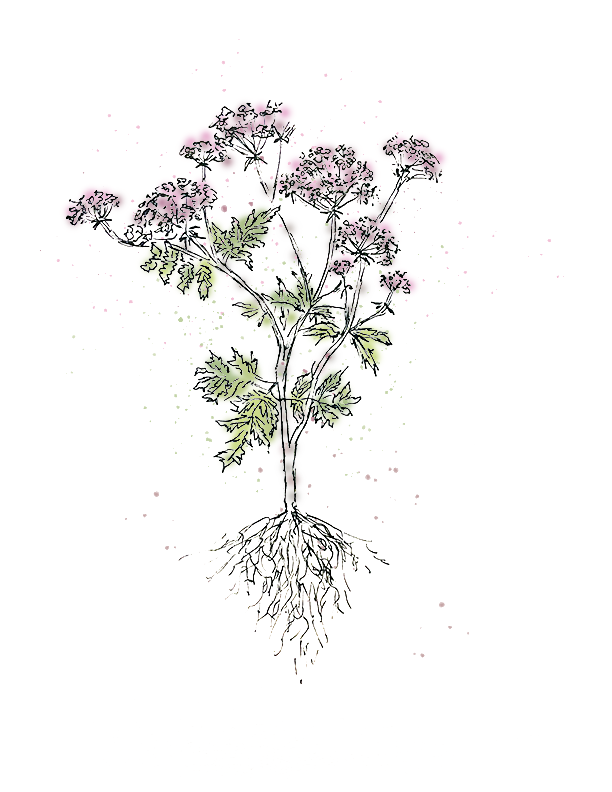
Plant Identification
Indigenous Plant Name: Catawban - yop or yapa, Timucua - cacina or cassina
Language: Catawban, Timucua
Region: Coastal southern US Meaning: Little tree
Tribes it was significant to: Catawban, Cherokee, Timucua, Creek, Apalachee
Colonial Taxonomy Analysis
Colonial Plant Botanical Name: Ilex vomitoria
Colonial Plant
Common Name: Yaupon Holly
Named By: William Aiton Date: 1789
What It References: Vomitoria references a colonial misconception after observing Native American rituals which involved participants drinking the tea from Yaupon Holly and vomiting (1). Yaupon refers to the Catawban word for small tree; yop or yapa (5).
Implications of Colonial Name (power, gender norms, racial hierarchies, extraction): The plant’s berries can make you sick but colonists incorrectly assumed the plant was an emetic (1)
Erased knowledge systems: Colonial misconceptions and ideas about significant Indigenous plants took precedence over actual Indigenous knowledge of the plant as an energy booster and led people to avoid drinking the tea and continue to mischaracterize the rituals of these tribes. However as knowledge spread many people began circulating the yaupon drink around the globe
Colonial Violence and Naming
Racialized or Derogatory Language: n/a
Mysogynistic or Gendered Framing: n/a
Enslavement, Colonial ownership, Exploitation: Spaniards claimed naming rights and profited off the tea’s exportation to Europe, exploiting knowledge they aquired from Native Americans for profit. How and When did Name Enter Public Use: Around the late 16th century due to misinterpretation of a tribal ceremony.
How Continued Use Perpetuates Harm: The common name Yaupon actually credits the Catawban tribe as the root origin of its name acknowledging place and context of the plant. However its species vomitorium results from a colonial interpretation and attempt to take ownership of a plant and product that was a desirable trade item
Ecological Profile
Native range and habitat: Florida south and throughout southwest to Texas and east to North Carolina (3).
Ecological roles such as pollination, soil health, fire ecology, or water systems: Important pollinator plant due to its white flowers (7).
Seasonal behaviors and growth patterns: Yaupon flowers emerge around April - May, and the fruit ripens in September - October (4). Relationships with animals, insects, fungi, microbes, and other plants: Its fruits and flowers are attractive to wildlife like birds and pollinators. (3). Native insects have evoloved with the plants which they feed on for protein (7).
Indigenous Knowledge and Cultural Relationships
Cultural Significance: Ceremonial significance and a stimulant. Spiritual or Cosmological Meaning: Boiling the leaves and twigs creates a tea that native American tribes used for revivement and alertness due to it being the only native caffeinated plant in the United States , referred to as, ““asi,” “black drink,” or “big magic,” “ (1). Traditional stewardship practices such as harvesting, burning, tending, or propagation: The ‘magic’ tea became an important part of tribes’ cultural rituals (1) The Black Drink Ceremony consisted of fasting, drinking, chanting , and vomiting (2).
Ethical frameworks of care, reciprocity, and responsibility: For Native Americans the tea was so desired it became a substance tribes would trael to consume and trade. Including trade with the Mayans where Yaupon was exchanged for cacao. So it was practice to nuture and transplant Yaupon anywhere it could grow (2).
(1) “The Untold Story of the Humble Yaupon Holly - Palmetto Bluff.” Palmetto Bluff, 2023, www.palmettobluff.com/discover/stories/the-untold-story-of-the-humble-yaupon-holly/. (2) Use and, History. “Yaupon Tea Company.” Yaupon Tea Company, 2025, www.yaupontea.com/yaupon-american-superplant. (3) Miller, Debbie, et al. “Yaupon, Ilex Vomitoria.” EDIS, vol. 2018, no. 5, 4 Oct. 2018, https://doi.org/10.32473/edis-sg172-2018. (4) “Ilex Vomitoria.” Usda.gov, 2026, www.fs.usda.gov/database/feis/plants/shrub/ilevom/all.html (5) “June Plant Profile: Ilex Vomitoria.” Uw.edu, 2022, botanicgardens.uw.edu/about/blog/2025/06/05/june-plant-profile-ilex-vomitoria/. (6) “History of Yaupon, Medicinal Properties and Methods of Preparing.” Lost Pines Yaupon Tea, 2026, lostpinesyaupontea.com/pages/about-yaupon?srsltid=AfmBOoq9NWXmisNCYhNr4BFmg9TOSa0pxgI9Lm-L-TwgBR8Ug21Wldm8. (7) Anderson-Messec, Lilly. “Native Nurseries.” Native Nurseries, 11 Jan. 2017, www.nativenurseries.com/blog/2016/3/27/grow-a-healthy-coffee-alternative-in-your-own-backyard.
Medicinal: Yaupon had many uses in native traditional medicine including calming nerves, purifying water, inducing dreams, regulating menstruation, healing rashes and wounds, fending off bacteria, etc. (2).
Culinary or Nutritional: The leaves and twigs contain caffeine which is drank from Yaupon as a tea.
Material uses (fiber, dye, construction, tools): Native Americans made arrows from the wood (4).
Non-human Uses (habitat, food source, or shelter): It is a host plant for Henry’s elfin butterfly (3). The leaves are enjoyed by white tailed deer as a valued food source and browsed by racoons, turkeys, and wild hogs (4).
Arts and Crafts: Decorated shells were used to drink Yaupon derived from its coastal habitat (6).
Architecture and Design: Used in landscaping due to its tolerance for a wide range of environmental conditions (3). In Texas, Yaupon was part of restoration efforts planted to restore borrow pits for wildlife (4). Its beries and foliage make it a popular hedge choice in landscape design (4).
Human and Non-Human Relationships
How humans, animals, plants, and landscapes interact through this species: Humans move across landscapes to trade and disperse Yaupon Holly or specifically its tea.
How the plant mediates multi-species relationships: Birds disperse its seeds (4) and it provides food for many species of wildlife especially heading into late fall and winter when other sources are scarce. Its structure also makes it a good nesting spot for birds (5). Mammals consume the berries and insects go for the flower’s nectar (5).
How colonial disruption altered or severed these relationships: Displacement of Native American tribes meant cultural stewardship and traditional care for Yaupon was interupted and disrupted.
Sources
Uses

Yop / Yapa
Yaupon Holly
Pii'sanikiki
Joe Pye Weed
Plant Identification
Indigenous Plant Name: Menomini Name- “pii'sanikiki
Language: Menomini Region: The Menomini were from Northeastern Wisconsin.
Meaning: fine haired roots; part of a group of plants by the same name (7).
Tribes it was significant to: Menomini, Cherokee, Chippewa, Mahuna, Menominee, Navajo, Potawatomi, Rappahannock, Ojibwa.
Colonial Taxonomy Analysis
Colonial Plant Botanical Name: Eutrochium purpureum
Colonial Plant Common Name: Joe Pye Weed
Named By: The name Joe Pye is found earliest in “Amos Eaton’s A Manual of Botany for the Northern and Middle States, published in 1818” (3). Eutrochium was coined by Constantine Samuel Rafinesque in the 1800s although at the time the Joe Pye plants were classified as Eupatorium. The name change to Eutrochium didn’t come until 2000 when a study determined it didn’t fit its initial categorization (5).
Date: Common - 1818, Updated Botanical Name - 2000
What It References: A Native American medicine man named Joe Pye who used a weedy plant to cure typhus became a legend that circulated in many New England texts but with unconsistencies in references (1). Eutrochium means “well-wheeled” in reference to the physical trait of whorled leaves (5).
Implications of Colonial Name (power, gender norms, racial hierarchies, extraction): Different theories and lack of consistency across stories muddies the origin of this name; some theorize Joe Pye derives from the Wampanoag member Tisquantum (also known as Squanto) who’s aid got the Pilgrims through their first winter while other stories decribe the medicine man as obsessed with the plant and possibly a snakeroot salesman posing as Indigenous to garner credibility. Yet more various accounts exist of Joe Pye figures both indigneous and not who cured illness with this plant (3). Overall the story has been passed around and conflated to the point where researchers have not been able to pinpoint a single orgin or confirmed tale. One study tied the name of a Mohican sachem, Joseph Shauquethqueat to Joe Pye referenced in the published journal of another Mohican, Samson Occom (4). Erased knowledge systems: The inconsistencies in the story are primarily due to accounts from colonists and New Englanders that didn’t match up or later assumptions about the orgin rather than this being a story that belongs to a specific Indigenous tribe, instead it is retold and conflated so that whoever Joe Pye really was and his contribution to medicine and ecology will have to remain a mystery for now.
Colonial Violence and Naming
Racialized or Derogatory Language: n/a
Mysogynistic or Gendered Framing: Refers to the legend of a man. Enslavement, Colonial Ownership, Exploitation: Accounts largely point to an Indigenous person who helped settlers with his botanical knowledge, a story that has been told by settlers and frames a narrative of peaceful relations where Indigenous peoples freely shared ecological information with early settlers. This story makes relations look amicable ignoring the violent history where settlers who accepted Indigenous help and used it to initially survive then took over Indigenous lands and destroyed that same environment. How and When did Name Enter Public Use: The named reached public and widespread mentioned following Gray’s Manual of Botany published in 1848 which was an influential and well-known work (3). How Continued Use Perpetuates Harm: The name is useful in starting a conversation about how Native American figures were the knowledge holders of their own landscape but the obcurity of the story clouds productive conversation and reminds us that even Indignous stories are often being told by colonizers
Ecological Profile
Native range and habitat: It has a wide range from “Quebec to Missouri and south to Florida and Texas” (2).
Ecological roles such as pollination, soil health, fire ecology, or water systems: It has very desirable nectar for butterflies and long tongued bees as well as caterpillar and moth species (2). Its roots as a bottomlands plant prevent soil from eroding into streams so aquatic species can thrive (5).
Seasonal behaviors and growth patterns: The grow upright and bloom July - September (5).
Relationships with animals, insects, fungi, microbes, and other plants: Many insects feed on its leaves and flowers of sap, or dig into its stem and roots such as aphids and leaf miner flies and beetles (5). Its medicinal properties made it deer resistant (5).
Indigenous Knowledge and Cultural Relationships
Cultural Significance: A medicinal plant used in different ways by many tribes. Roots were used for rheumatism, gynocological problems, kidney trouble and more.
Spiritual or Cosmological Meaning: The Meskwaki used it as a “Love Medicine Root kept in mouth and nibbled when wooing women” (6). .It was also a Potawatomi good luck charm (6).
Traditional stewardship practices such as harvesting, burning, tending, or propagation: Selective harvesting of mature plants was used seasonally to ensure continued growth and use for medicine. Ethical frameworks of care, reciprocity, and responsibility: The Menominee and Mohicna tribes both used controlled burns that helped maintain the diversity that allowed thie plant to thrive despite it not being a fire adapted species.
Uses
Medicinal: Native Americans has many medicinal uses for this plant including making a tea from the roots that helped with “fevers, colds, chills, sore womb after shildbirth, diarrhea, and liver and kidney ailments” (2). Culinary or Nutritional: The Cherokee used the root ash as salt (6) Material uses (fiber, dye, construction, tools): The Cherokee also used the hollow stem as a straw to draw in water from low streams (6). Non-human Uses (habitat, food source, or shelter): Birds love to eat the seeds and the strong structure of the stems supports insects below. Arts and Crafts: Limited knowledge available. Architecture and Design: Seasonal burning and movement patterns helped to maintain the overall environment of Joe Pye Weed.
Human and Non-Human Relationships
How humans, animals, plants, and landscapes interact through this species: Its role in the bottomlands is to hold the landscape together and prevent erosion as well as aiding humans by absorbing chemicals in fertilizers so purify the water before it flows into a nearby stream. How the plant mediates multi-species relationships: It is a key pollinator plant so it supports the wellbeing of many different types of insects. How colonial disruption altered or severed these relationships: Colonial information has prevented an accurate or purely Native American account that would help explain the origins and the medicinal properties Joe Pye Weed holds.
Sources
(1) Speck, Frank G., and Ernest S. Dodge. “On the Fable of Joe Pye, Indian Herbalist, and Joe Pye Weed.” The Scientific Monthly, vol. 61, no. 1, 1945, pp. 63–66. JSTOR, http://www.jstor.org/stable/18535. (2) HOLLOW-STEMMED JOE-PYE WEED Plant Symbol = EUFI2. (3)Joe Pye, Pyes’s law, and Joe Pye Weed https://quod.lib.umich.edu/cgi/p/pod/dod-idx/joe-pye-joe-pyes-law-and-joe-pye-weed-the-history.pdf?c=mbot;idno=0497763.0056.303 (4) “History of Joe-Pye Weed.” Illinois Extension, 8 Oct. 2022, extension.illinois.edu/blogs/garden-scoop/2022-10-08-history-joe-pye-weed. (5) “Joe-Pye Weeds.” Missouri Department of Conservation, 2017, mdc.mo.gov/discover-nature/field-guide/joe-pye-weeds. (6) Moerman, Daniel E. Native American Ethnobotany. Portland, Or., Timber Press, 1998. (7) Huron Herbert Smith. Ethnobotany of the Menomini Indians. Praeger, 1970.
